Shopping Cart

Top Stories!


Steroid Injections May Lead To More Harm Than Good


Fall Winter Immune Support for The Entire Family


What Parkinson's, ALS, and MS have in common


Visit our health library for many other educational articles beneficial to your health!

Top Stories By Month:

blog page image

October 10th, 2018 at 5:19 pm

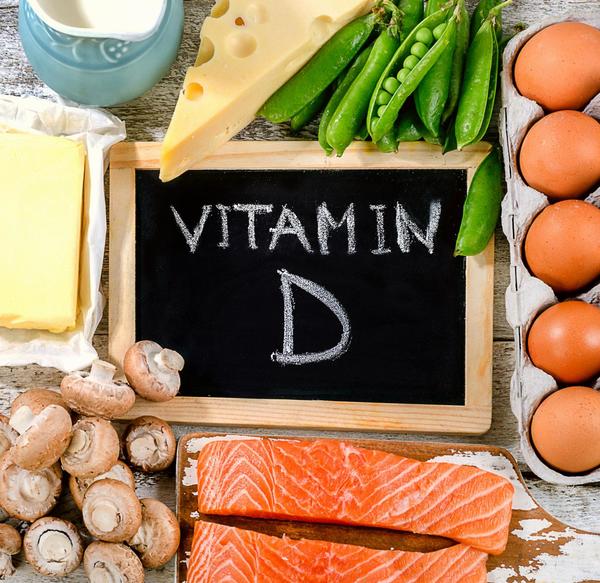
vitaminddisc.jpg600x600


I never jumped upon the vitamin D testing and supplementation trolley.  It is because I know too much about health to believe the claims made for ONE particular element as a panacea for most ills. Not that vitamin D isn't important...it is. All nutrients are...  BUT that type of philosophy generally falls under the “science” of MLM companies, not real research.  Dr. Michael Holick, a Boston University endocrinologist, created a billion dollar vitamin D sales and testing empire when he drafted national vitamin D guidelines and the embrace of his message by mainstream doctors and wellness gurus alike, have helped push supplement sales to $936 million in 2017. That's a ninefold increase over the previous decade. Lab tests for vitamin D deficiency have spiked, too: Doctors ordered more than 10 million tests for Medicare patients in 2016, up 547 percent since 2007, at a cost of $365 million.

But few of the Americans swept up in the craze are likely aware that the industry has sent a lot of money Dr. Holick's way. A Kaiser Health News investigation for The New York Times found that he has used his prominent position in the medical community to promote practices that financially benefit corporations that have given him hundreds of thousands of dollars — including drug makers, the indoor tanning industry and one of the country's largest commercial labs.

In an interview, Dr. Holick acknowledged he has worked as a consultant to Quest Diagnostics, which performs vitamin D tests, since 1979. Dr. Holick, 72, said that industry funding “doesn't influence me in terms of talking about the health benefits of vitamin D.”

There is no question that the hormone is important. Without enough of it, bones can become thin, brittle and mishapen, causing a condition called rickets in children and osteomalacia in adults. The issue is how much vitamin D is healthy, and what level constitutes deficiency.

Dr. Holick's crucial role in shaping that debate occurred in 2011. Late the previous year, the prestigious National Academy of Medicine (then known as the Institute of Medicine), a group of independent scientific experts, issued a comprehensive, 1,132-page report on vitamin D deficiency. It concluded that the vast majority of Americans get plenty of the hormone naturally, and advised doctors to test only patients at high risk of certain disorders, such as osteoporosis.

A few months later, in June 2011, Dr. Holick oversaw the publication of a report that took a starkly different view. The paper, in the peer-reviewed Journal of Clinical Endocrinology & Metabolism, was on behalf of the Endocrine Society, the field's foremost professional group, whose guidelines are widely used by hospitals, physicians and commercial labs nationwide, including Quest. The society adopted Dr. Holick's position that “vitamin D deficiency is very common in all age groups” and advocated a huge expansion of vitamin D testing, targeting more than half the United States population, including those who are black, Hispanic or obese — groups that tend to have lower vitamin D levels than others.

The recommendations were a financial windfall for the vitamin D industry. By advocating such widespread testing, the Endocrine Society directed more business to Quest and other commercial labs. Vitamin D tests are now the fifth-most-common lab test covered by Medicare.

The guidelines benefited the vitamin D industry in another important way. Unlike the National Academy, which concluded that patients have sufficient vitamin D when their blood levels are at or above 20 nanograms per milliliter, the Endocrine Society said vitamin D levels need to be much higher — at least 30 nanograms per milliliter. Many commercial labs, including Quest and LabCorp, adopted the higher standard.

Yet there's no evidence that people with the higher level are any healthier than those with the lower level, said Dr. Clifford Rosen, a senior scientist at the Maine Medical Center Research Institute and co-author of the National Academy report. Using the Endocrine Society's higher standard creates the appearance of an epidemic, he said, because it labels 80 percent of Americans as having inadequate vitamin D. “We see people being tested all the time and being treated based on a lot of wishful thinking, that you can take a supplement to be healthier,” Dr. Rosen said.

Patients with low vitamin D levels are often prescribed supplements and instructed to get checked again in a few months, said Dr. Alex Krist, a family physician and vice chairman of the United States Preventive Services Task Force, an expert panel that issues health advice. Many physicians then repeat the test once a year. For labs, “it's in their financial interest” to label patients with low vitamin D levels, Dr. Krist said.

In a 2010 book, “The Vitamin D Solution,” Dr. Holick gave readers tips to encourage them to get their blood tested. For readers worried about potential out-of-pocket costs for vitamin D tests — they range from $40 to $225 — he listed the precise reimbursement codes that doctors should use when requesting insurance coverage. “If they use the wrong coding when submitting the claim to the insurance company, they won't get reimbursed and you will wind up having to pay for the test,” Dr. Holick wrote.

Dr. Holick acknowledged financial ties with Quest and other companies in the financial disclosure statement published with the Endocrine Society guidelines. In an interview, he said that working for Quest for four decades — he is currently paid $1,000 a month — hasn't affected his medical advice. “I don't get any additional money if they sell one test or one billion,” he said.

A Quest spokeswoman, Wendy Bost, said the company seeks the advice of a number of expert consultants. “We feel strongly that being able to work with the top experts in the field, whether it's vitamin D or another area, translates to better quality and better information, both for our patients and physicians,” Ms. Bost said.

Today, seven years after the dueling academic findings, the leaders of the National Academy report are struggling to be heard above the clamor for more sunshine pills. “There isn't a ‘pandemic,'” said A. Catharine Ross, a nutritional sciences professor at Penn State and chairwoman of the committee that wrote the report, in an interview. “There isn't a widespread problem.”

Ties to drug manufacturers and tanning salons

In “The Vitamin D Solution,” Dr. Holick describes his promotion of vitamin D as a lonely crusade. “Drug companies can sell fear,” he writes, “but they can't sell sunlight, so there's no promotion of the sun's health benefits.”

Yet Dr. Holick also has extensive financial ties to the pharmaceutical industry. He received nearly $163,000 from 2013 to 2017 from pharmaceutical companies for consulting and other services, according to Medicare's Open Payments database, which tracks payments from drug and device manufacturers. The companies paying him included Sanofi-Aventis, which markets vitamin D supplements; Shire, which makes drugs for hormonal disorders that are given with vitamin D; Amgen, which makes an osteoporosis treatment; and Roche Diagnostics and Quidel Corporation, which both make vitamin D tests.

The database includes only payments made since 2013, but Dr. Holick's record of being compensated by drug companies started before that. In his 2010 book, he describes visiting South Africa to give “talks for a pharmaceutical company,” whose president and chief executive were in the audience.

Dr. Holick's ties to the tanning industry also have drawn scrutiny. Although Dr. Holick said he doesn't advocate tanning, he has described tanning beds as a “recommended source” of vitamin D “when used in moderation.” Dr. Holick has acknowledged accepting research money from the UV Foundation — a nonprofit arm of the now-defunct Indoor Tanning Association — which gave $150,000 to Boston University from 2004 to 2006, earmarked for Dr. Holick's research. The International Agency for Research on Cancer classified tanning beds as carcinogenic in 2009.

A “miracle pill”  loses its credibility

Enthusiasm for vitamin D among medical experts has dimmed in recent years, as rigorous clinical trials have failed to confirm the benefits suggested by early, preliminary studies. A string of trials has found no evidence that vitamin D reduces the risk of cancer, heart disease or in falls by elderly people. Although the amount of vitamin D in a typical daily supplement is generally considered safe, it is possible to take too much. Some researchers say vitamin D may never have been the miracle pill that it appeared to be. Sick people who stay indoors tend to have low vitamin D levels; their poor health is likely the cause of their low vitamin D levels, not the other way around, said Dr. JoAnn Manson, chief of preventive medicine at Brigham and Women's Hospital in Boston. Only really rigorous studies, which randomly assign some patients to take vitamin D and others to take placebos, can provide definitive answers about vitamin D and health. Dr. Manson is leading one such study, involving 26,000 adults, expected to be published in November.

A number of insurers and health experts have begun to view widespread vitamin D testing as unnecessary and expensive. In 2014, the United States Preventive Services Task Force said there wasn't enough evidence to recommend for or against routine vitamin D screening. In April, the task force explicitly recommended that older adults outside of nursing homes avoid taking vitamin D supplements to prevent falls.

In 2015, Excellus BlueCross BlueShield of Rochester, N.Y. published an analysis highlighting the overuse of vitamin D tests. In 2014, the insurer spent $33 million on 641,000 vitamin D tests. “That's an astronomical amount of money,” said Dr. Richard Lockwood, Excellus' vice president and chief medical officer for utilization management. More than 40 percent of Excellus patients tested had no medical reason to be screened.

In spite of Excellus' efforts to rein in the tests, vitamin D usage has remained high, Dr. Lockwood said. “It's very hard to change habits,” he said, adding, “The medical community is not much different than the rest of the world, and we get into fads.”

Most of this information was obtained from Kaiser Health News , and the New York Times.  Join me next week for a discussion of: This country is anti VAX and has the lowest rate of infant mortality and the highest life expectancy.  Sign UP!  so you don't miss it!  Don't forget to visit our STORE, where we offer hundreds of professional products at great prices and FREE shipping on all orders!   


Join our weekly health blog for FREE Natural Health tips!


Interested in saving a TON on awesome, professional products with FREE shipping and Volume discounts??? Then:


Visit our Natural Product Pharmacy for the best prices and FREE SHIPPING on hundreds of natural products from professional brands like: Metagenics, Douglas Laboratories, Pure Encapsulations, Integrative Therapeutics, Thorne Research, and Carlson Labs!


Taryn DeCicco, ND, LAc, LDN

Naturopath

Acupuncturist

Clinical Nutritionist

Dietitian

Professional Vitamins and Supplements

Chinese Herbs

Natural Skin Products

Arlington Heights, IL

www.apple-a-day-clinic.com


We specialize in Acne, Skin, and Digestive disorders!  Please contact us for a free consultation!  I do work long distance.  Thank you from the bottom of our cart!  We truly appreciate your product purchases, visits, and referrals!  They enable us to give people the help they need and continue our valuable work.

Share the HEALTH!

FREE Shipping and

Save 10-20%

on over 500 TOP

Professional Products

Like US?

Join us on FB!

We LOVE to Tweet!

Join us on Twitter!

Apple-A-Day Clinic BBB Business Review

Visit our Natural Health Library for many GREAT Articles!

Don't Miss a thing! Subscribe now to get our new articles via email.


Send this article to a friend!

Views:
9733
October 3rd, 2018 at 6:41 pm

liver from upmc healthbeat

image:upm chealthbeat

This Liver Disease Isn't  Visible During Tests Until It's Too Late But These 7 Signs Are!

The liver is a powerhouse of bodily activity.  While the liver's main job is to filter blood coming from the digestive tract, the liver also detoxifies chemicals and metabolizes drugs. The liver also produces proteins necessary for blood clotting.


It is possible for fat globules to build up in the liver, leading to nonalcoholic fatty liver disease. Unchecked, this can lead to even bigger problems like fibrosis and ultimately cirrhosis. Fatty liver causes inflammation and other damage to the liver. Insulin level changes can also result from fatty liver. Fatty liver is often caused by obesity, but it can also be a result of other problems. Seven signs that you may be suffering from a fatty liver are: fatigue, unintentional weight loss, swelling of the body, pain in the abdomen, jaundice, increased bruising, and mental confusion. Fortunately, there are several natural remedies that can help with fat build-up in the liver.

Dandelion Root

Dandelion root will help cleanse the liver. It can also help with inflammation and cirrhosis of the liver. One of its greatest strengths is preventing and reversing cancers.

Turmeric

Turmeric will facilitate digestion and reduce inflammation. The active ingredient in Turmeric is Curcumin a potent antioxidant.  

Weight loss

This one is obvious. If you have a fatty liver, you need to lose weight, modified fasts may be helpful here. If you take this route, you should also make sure you stay well hydrated. This will help cleanse toxins from the body.

Black Seed Oil

NAFLD can be treated with black seed oil. It can also treat a variety of other issues. Adding black seed oil to your diet is an incredible way to improve health. It has been used successfully for thousands of  years and I use it to great effect in my practice frequently.

Vitamin E

Vitamin E is essential to the body. Taking vitamin E not only helps fight inflammation in the liver, it can also help with several other important organs.

Resveratrol

Resveratrol comes from red grapes. It is a very powerful antioxidant, so it soothes inflammation. Scientists have discovered that it extremely useful at fighting inflammation that is caused by NAFLD.

Goji

This berry has been used by the Chinese for centuries. The Chinese used them for a variety of ailments. Today, they are known as glucose stablizers, tumor supressors, and an antioxidant. These berries can also help heal the liver, reducing problems associated by NAFLD.

Xiao Yao Wan

Along with many other Chinese formulas have been used for thousands of years to soothe and harmonize the liver.

Natural supplements as well as dietary and lifestyle changes are the path of least resistance with respect to recovering from this and all other disorders. It is important to work with a naturopathic doctor or expert nutritionist in order to get a comprehensive plan and derive the proper dosages and dietary benefits to reverse this and any chronic disorder.  Join us next time for a discussion about some conflicts of interest with regard to Vitamin D research. You do not want to miss this so sign up!  And don't forget to visit our store where you can purchase hundreds of professional products with great prices and FREE shipping on each order. We are beginning development of an updated, easy to navigate site for your shopping and learning pleasure.  Stay Tuned!  I have also launched our new website for our skin products at beautifulskinandhair.com which has a separate facebook page. I will be doing education and videos on that site shortly. 


Join our weekly health blog for FREE Natural Health tips!


Interested in saving a TON on awesome, professional products with FREE shipping and Volume discounts??? Then:


Visit our Natural Product Pharmacy for the best prices and FREE SHIPPING on hundreds of natural products from professional brands like: Metagenics, Douglas Laboratories, Pure Encapsulations, Integrative Therapeutics, Thorne Research, and Carlson Labs!


Taryn DeCicco, ND, LAc, LDN

Naturopath

Acupuncturist

Clinical Nutritionist

Dietitian

Professional Vitamins and Supplements

Chinese Herbs

Natural Skin Products

Arlington Heights, IL

www.apple-a-day-clinic.com


We specialize in Acne, Skin, and Digestive disorders!  Please contact us for a free consultation!  I do work long distance.  Thank you from the bottom of our cart!  We truly appreciate your product purchases, visits, and referrals!  They enable us to give people the help they need and continue our valuable work.

Share the HEALTH!

FREE Shipping and

Save 10-20%

on over 500 TOP

Professional Products

Like US?

Join us on FB!

We LOVE to Tweet!

Join us on Twitter!

Visit our Natural Health Library for many GREAT Articles!

Don't Miss a thing! Subscribe now to get our new articles via email.


Send this article to a friend!

Views:
10219
September 26th, 2018 at 7:15 pm


youthbeyondblue     Image: YouthBeyondBlue


Anxiety isn't often viewed as a positive thing to have. It is something that many people suffer through every day. Anxious people can come off as too sensitive. Others believe that anxious people often just overthink everything and panic about everything.

However, that is not the case in most instances. People who have anxiety are actually just very much aware of the world around them. They tend to be more aware of the suffering and the pain around them. They pick up on things that other people fail to notice.

Based on a study that was conducted at SUNY Downstate Medical Center, people who have extreme anxiety were shown to have much higher IQs than those who did not. A higher IQ may result in a higher level of anxiety.

While anxiety is not a great trait to have, a high IQ is a very valued trait. However, they might actually go hand in hand. A higher IQ may also be the reason anxious people are able to notice so much about the world around them throughout their day to day lives.

Another study, that can be found in European Journal of Social Psychology, discovered that people with high anxiety were more likely to sense danger around them .

In the study, people who had severe anxiety were more likely to sense danger than other people. In the wild, animals that can respond more quickly to danger are more likely to survive. In fact, more anxious animals are actually the ones to signal to the herd that there is danger.

If you are an extremely anxious person, this could actually be a sign of evolution.

More anxious people may actually be more likely to survive or succeed in a tribe. However, most people today don't have tribes. This may be a hint as to why so many people have anxiety. It may have once served a purpose for survival.

Having anxiety today is not always a good thing. In fact, it can many times get in the way of people's day to day lives. Feeling much of the pain and suffering in the world around us can be very overwhelming and often debilitating for some. Having a high IQ might be part of the cause, but it is not worth the suffering that many people deal with everyday.

Do you suffer with anxiety? Do you notice you have a heightened awareness of the world around you? What do you do to handle your anxiety? Let us know!  Please schedule an appointment @847 577 4455 to discuss how to alleviate your anxiety and reclaim your life. Join us on Monday for a new roster of interesting topics for October. Sign UP right here so you don't miss a thing. Also!  Please Visit our store where you have access to hundreds of Professional products at amazing prices and free shipping!   


Join our weekly health blog for FREE Natural Health tips!


Interested in saving a TON on awesome, professional products with FREE shipping and Volume discounts??? Then:


Visit our Natural Product Pharmacy for the best prices and FREE SHIPPING on hundreds of natural products from professional brands like: Metagenics, Douglas Laboratories, Pure Encapsulations, Integrative Therapeutics, Thorne Research, and Carlson Labs!


Taryn DeCicco, ND, LAc, LDN

Naturopath

Acupuncturist

Clinical Nutritionist

Dietitian

Professional Vitamins and Supplements

Chinese Herbs

Natural Skin Products

Arlington Heights, IL

www.apple-a-day-clinic.com


We specialize in Acne, Skin, and Digestive disorders!  Please contact us for a free consultation!  I do work long distance.  Thank you from the bottom of our cart!  We truly appreciate your product purchases, visits, and referrals!  They enable us to give people the help they need and continue our valuable work.

Share the HEALTH!

FREE Shipping and

Save 10-20%

on over 500 TOP

Professional Products

Like US?

Join us on FB!

We LOVE to Tweet!

Join us on Twitter!

Visit our Natural Health Library for many GREAT Articles!

Don't Miss a thing! Subscribe now to get our new articles via email.


Send this article to a friend!

Views:
10238
September 19th, 2018 at 7:08 pm

istockmilk


Image: Istock

This is a story for the archives….I am not certain what I think about it. I am not advocating anyone try it, but it may have some merit. Currently, unpasteurized milk is being seized and sellers being jailed due to concerns about foodbourne illness. This story is the other side of the coin, possibly.

In 1929, Mayo Clinic's Dr. J. R. Crewe wrote an article about the miraculous healing abilities of raw, grass-fed milk.

His protocol for the “Milk Cure” was simple – put patients on bed rest and feed them nothing but a couple of gallons of milk a day.

The milk Dr. Crewe was speaking of was the unpasteurized, non-homogenized, rich-in-butterfat milk of heritage-breed, pasture-raised cows.

The results were so “uniformly excellent” his words, that they changed Crew's entire “conception of disease and its alleviation” and inspired him to open a sanitarium where he used raw milk almost exclusively in the treatment of all kinds of disease.

His 1929 article, “The Milk Cure,” became the subject of two subsequent books and quoted an earlier medical textbook of the day, suggesting he was not the only doctor of his time using milk as medicine.

“For more than 16 years I have conducted a small sanitarium where milk is used almost exclusively in the treatment of various diseases,” Crewe wrote in Certified Milk Magazine. “The results have been so regularly satisfactory that I have naturally become enthusiastic and interested in this method of treating disease. We used good Guernsey milk, equal to 700 calories to the quart.”

Crewe and his colleagues used the milk cure to treat countless conditions, including tuberculosis, cancer, heart disease, kidney disease, diseases of the nervous system, diabetes, anemia, obesity and underweight patients.

“Striking results are seen in diseases of the heart and kidneys and high blood pressure,” he wrote. “Patients with cardiac disease respond splendidly without medication.”

“One patient reduced from 325 pounds to 284 in two weeks, on four quarts of milk a day, while her blood pressure was reduced from 220 to 170.”

“One patient with very advanced cardiac and nephritic disease lost over thirty pounds of edema in six weeks. One would expect the large quantities of fluid would increase the edema but the above experience has been repeated many times in lesser degrees.”

Crewe spoke of the “worst case of psoriasis” he'd ever seen: “This boy was literally covered from head to foot with scales. We put him on a milk diet and in less than a month he had a skin like a baby's.”

He also spoke of a “very sick” diabetic man: “As milk contains about five percent milk sugar, it was feared that he could not manage this amount of sugar. But he did manage it, and improved in every way, and in eight weeks was sugar free”

“A professor of surgery in one of our state universities once said to me, ‘Since I have used your method in preparing prostate cases, I have had most excellent results and no mortality.'” Crewe wrote. “I replied that if he had continued the treatment a little longer, he would not need to operate. All infections of the urinary tract are greatly improved by this treatment.”

Crewe received a letter from a soldier quarantined in a government hospital with  tuberculosis. He'd heard about Crewe's method from a former patient and was doing so well on it he'd inspired several other patients in the ward to try it.

“The patients had to buy their own milk and received no encouragement from the hospital authorities,” he said.

Crewe said he even had a number of patients who used the raw milk fast as a beauty treatment: “The tissues become firmer and the general appearance is markedly improved.”

“It is well known that there is no time in the life of practically any mammal, but especially of the human, when the body is so beautiful and perfect as during the period when milk is the only food,” Crewe writes.

“The Arabs are said (Encyclopedia Brittanica) to be the finest race, physically, in the world. Their diet consists mostly of milk and milk products with fruits and vegetables, and some meat,” he adds.

“The treatment of various diseases over a period of 18 years with a practically exclusive milk diet has convinced me personally that the most important single factor in the cause of disease, and in the resistance to disease, is food. I have seen so many instances of the rapid and marked response to this form of treatment that nothing could make me believe this is not so.”


Despite its success “The Milk Cure,” it has since been long forgotten. The Weston A. Price Foundation speculates two reasons for this: 1. Mainstream milk is no longer a medicinal super-food, it's a disease-causing, denatured, highly processed product of factory farming. 2. The medical industry can't make any money from it.


“The method itself is so simple that it does not greatly interest most doctors and the main stimulus for its use is from the patients themselves,” Crewe noted.  Due to the vast changes of the Earth's soil and the over processing, not to mention modifications of crops it is very much in question as to whether it is possible to obtain these results today.  It is interesting to note that, as always, food has the capability to cure all types of seemingly unrelated disorders.  I have always known that all “diseases” are in fact deficiencies of nutrients.  This story certainly substantiates that.  Next week join me for a discussion about anxiety and the great gift it may be. You do NOT want to miss it!  Please sign up so you don't miss it.  Also, don't forget to visit our STORE to get FREE shipping and great prices on hundreds of professional products.  I apologize for the delay in getting our email out to you.  We have been swamped with patients, and I will get on that as soon as I can.  Thanks so much! 


Join our weekly health blog for FREE Natural Health tips!


Interested in saving a TON on awesome, professional products with FREE shipping and Volume discounts??? Then:


Visit our Natural Product Pharmacy for the best prices and FREE SHIPPING on hundreds of natural products from professional brands like: Metagenics, Douglas Laboratories, Pure Encapsulations, Integrative Therapeutics, Thorne Research, and Carlson Labs!


Taryn DeCicco, ND, LAc, LDN

Naturopath

Acupuncturist

Clinical Nutritionist

Dietitian

Professional Vitamins and Supplements

Chinese Herbs

Natural Skin Products

Arlington Heights, IL

www.apple-a-day-clinic.com


We specialize in Acne, Skin, and Digestive disorders!  Please contact us for a free consultation!  I do work long distance.  Thank you from the bottom of our cart!  We truly appreciate your product purchases, visits, and referrals!  They enable us to give people the help they need and continue our valuable work.

Share the HEALTH!

FREE Shipping and

Save 10-20%

on over 500 TOP

Professional Products

Like US?

Join us on FB!

We LOVE to Tweet!

Join us on Twitter!

Apple-A-Day Clinic BBB Business Review

Visit our Natural Health Library for many GREAT Articles!

Don't Miss a thing! Subscribe now to get our new articles via email.


Send this article to a friend!

Views:
10204
September 12th, 2018 at 6:28 pm

nungesserGMBH


Image:NungesserGMBH

I knew that Canola oil was an unhealthy choice quite a few years ago. The reason I knew this was because I would get a strange feeling in my throat any time I ingested it, this was rare because I rarely, (then), and never, (now) eat processed foods. Canola oil has recently taken over as the food processing industry's oil of choice. Whether it's in mayonnaise, crackers, baked goods, or salad dressings, canola oil is usually the first, second or third ingredient on the list. Unfortunately, the health dangers of canola oil are far worse than we've been led to believe.

So if there aren't any actual health reasons to use it, why would it be so widely used throughout the food industry? As with most reasons certain ingredients are used over others – COST. Canola oil is extremely inexpensive to grow and harvest. It is also very easy to grow, due to its genetic modifications and the fact that insects won't go near it- that pretty much tells you everything you need to know.

Canola oil was first created in the early 1970s as a natural oil. But in 1995, Monsanto created a genetically modified version of canola oil. By 2009, over 90 percent of the Canadian canola oil crop was genetically engineered (1).

What is Canola Oil?

Canola oil comes from a descendant of the rapeseed plant, a member of the Brassicagenus, along with some of our favourite vegetables like kale, broccoli, cauliflower and cabbage. Rapeseed oil was put on the market for human consumption in the 1950s, but not many people wanted to consume it due to its strong flavour and off-putting colour.

Scientists at the time began to discover that erucic acid, one of the major fatty acid components of the oil (over 50%), was damaging to heart tissue. Meanwhile, olive oil started being marketed as the next big thing in health. So what did marketers do for rapeseed oil? They genetically“modified” it! After some selective breeding and careful marketing, rapeseed oil was now low in erucic acid, high in oleic acid (just like heart-healthy olive oil), high in omega-3 fats and also neutral tasting. The name rapeseed was replaced with canola (the term can from canada, and ola for oil) (2).

While canola oil has been marketed as a healthy oil, low in saturated fats and a source of omega-3 fatty acids, it is far from that. Canola oil is not only genetically modified, but it is highly processed and refined, all of which contribute to major health problems in the body. Canola oil is not the healthy oil you believe it to be…you have been misled.  Here are some facts:

Some Dangers of Canola Oil   

1. Canola Oil is Hydrogenated If they're not “cold-pressed” or “extra-virgin,” the oil is considered refined. This process includes caustic refining, bleaching, and degumming – all which involve high temperatures or chemicals that are damaging to the human body. Last but not least comes the deodorization process. Because canola oil is high in omega-3 fatty acids, it becomes easily rancid and foul-smelling when subjected to oxygen and high temperatures. The standard deodorization process removes a large portion of the omega-3 fatty acids by turning them into trans-fatty acids (3).

If you're consuming any vegetable oils that are oxidized from heat and light in processing, you are also exposing your body tissues to oxidized or rancid products. This contributes to chronic inflammation and degenerative diseases.

2. It's a A Genetically Modified Product

Almost all canola oil is produced from genetically modified crops. More than 90% of all canola oil is produced from genetically engineered crops. While genetic modification was successful at lowering the erucic acid content, it also increased the amount of oleic acid.

Health concerns linked to high oleic acid intake include:
– Retarded growth (banned in infant formulas)
– Abnormalities in blood platelets
– Damage from free radicals
– Increased risk of developing certain cancer types

Genetically engineered foods also pose some very serious health concerns like allergic reactions, immuno-suppression, toxicity, and loss of nutrition through the foods we eat.

3. Increased Risk of Developing Cancer

Canola oil is extremely unstable under heat, light and pressure, which causes oxidation and releases free radicals inside the body. When canola oil is heated (aka. when we cook with it), it produces high levels of butadiene, benzene, acrolein, formaldehyde and other nasty compounds. These chemical compounds, combined with increased free radicals create the perfect environment for cancer growth.

Researchers have found that cancer cells feed on the oleic acid in canola oil. The acid causes the cancer cells to become stronger and maintain malignancy Additional research has also shown that oleic acid promotes tumour progressions .With the amount of free radicals released in canola oil after cooking, it's no wonder this oil is a trigger for cancer growth. Free radicals are highly reactive chemicals that play a major role in cancerous cell mutation. They can be deactivated to some extent by taking an antioxidant like this: FREE shipping!

4. Contributes To Heart Disease

While genetic modification has lowered erucic acid levels in canola oil, it is still a major source of the acid. Erucic acid is a monounsaturated fatty acid that has been linked with heart damage, specifically Keshan disease (a thickening and scarring of connective tissue within the heart). Studies have shown that in areas where people are prone to Keshan, erucic acid levels are higher, and selenium levels are lower. Canola oil is also capable of promoting high levels of inflammation in the body, as well as arterial calcification. Any oil that is partially hydrogenated has the capability to do so. As you might have guessed, systemic inflammation and calcification are major risk factors for coronary heart disease .

5. Interferes with Healthy Brain Function

A new study out of the Lewis Katz School of Medicine at Temple University and published in the journal Scientific Reports has linked canola oil with a decrease in memory and learning indicative of Alzheimer's disease – the most common form of dementia). The study found that the brains of canola-oil treated mice had higher amounts of amyloid plaques as well as diminished contact between brain neurons.

Canola oil, being an inflammatory food, contributes to poor brain function. Chronic inflammation, as you  know, is detrimental to all tissues in the body. It attacks healthy cells, blood vessels and tissues instead of protecting them. It can shut down energy production in brain cells and slow down the firing of neurons, contributing to ADHD, anxiety, brain fog, depression, memory loss and Alzheimer's.

6. Hypertension and Strokes

As a major contributor to inflammation in the body, canola oil takes a toll on our cardiovascular system – particularly blood pressure. Studies have found that canola oil shortens the life span of stroke-prone and hypertensive animal subjects.

One study explored the relationship between rats fed canola oil and rats fed non-canola oil diets. The catch? All rats were bred to have high blood pressure and proneness to stroke. Rats who were fed canola oil died sooner, and rats fed the non-canola oil-based diets lived longer.  Another study published in Toxicology Letters looked at the effects of canola and soybean oil on blood coagulation time and erythrocytes (type of red blood cell) in stroke-prone hypertensive rats. The study found that there was a “canola oil-induced shortening of blood coagulation time and increased fragility in [red blood cell membranes],” which may trigger strokes in animal subjects who are stroke-prone.

7. Compromises Detoxification Organs

Being a genetically modified food product, canola oil takes a toll on our liver and kidneys.

2011 review of 19 different studies that involved mammals being fed genetically modified soy and corn for a period of 90 days, found that GMO foods can disrupt kidney and liver function. The review, published in Environmental Sciences Europe, stated that in the trials mentioned, kidney function was reduced by 43.5%, while liver function was reduced by 30.8%.

Vegetable oils also lack oxidative stability, so they quickly turn rancid if left untreated. Food manufacturers found their way around this problem by adding synthetic antioxidants like TBHQ, BHA and BHT. When consumed in large doses, these preservatives can cause liver tumours, as well as liver enlargement. (While the preservatives in canola oil are not enough to cause adverse effects, the accumulation of such products is enough. We can easily surpass acceptable preservative limits if our diet subsists of lots of processed foots. The amounts build up over time, and as a result, our health suffers.

If you want your detox organs to work properly, avoid canola oil, processed foods with added vegetable oils, and other GMO products.

8. May Hamper Normal Growth in Children

Erucic acid in canola oil was the main reason canola oil was banned from use in infant formula. The erucic acid in canola oil is harmful to infants, due to an inability to properly break it down. While the FDA previously made canola oil illegal for use in baby formula, that isn't the case anymore. As of a few years ago, canola oil made it to the generally recognized as safe list meaning that infant formula companies can use all the canola oil they want in their formula.

Best Oils

So which oils can you use? It depends on what you're using it for!

1. Coconut Oil

Coconut oil is best when it is cold-pressed and virgin. Try your best to avoid refined coconut oil. Coconut oil has a high heat threshold, meaning it doesn't turn into trans-fatty acids when heated. Coconut oil contains medium-chain fatty acids, too, which support a healthy nervous system, and also encourage fat loss.

2. Olive Oil

I do personally cook with olive oil but I cook foods at lower temperatures (due to its delicate nature), which is healthier anyway. Look for an organic extra-virgin or cold-pressed olive oil that's available in dark-coloured glass. Some fake olive oils are mixed with cheaper, GMO vegetable oils, so always make sure it is GMO-free and organic.

3. Avocado Oil

Avocado oil has a high smoke point like coconut oil, so it can safely be cooked with at high temperatures. Alternatively, you can also use this oil in its raw form on salads and the like.

4. Sesame Oil 

Sesame oil is another great option to cook with. It has a high smoking point, and isn't hybridized like canola and other vegetable oils. Sesame oil works great for stir-frying, Asian and Indian cooking and makes a great salad dressing with coconut sugar, non GMOsoy sauce and some ginger! On Friday, check your emails for tips on natural ways to remove pests and insects from your home. Sign UP!  Right here so you do not miss a thing!  And don't forget to visit our store where you can purchase hundreds of amazing professional products at great prices and with FREE shipping.  See you Friday, and Thank you.


Join our weekly health blog for FREE Natural Health tips!


Interested in saving a TON on awesome, professional products with FREE shipping and Volume discounts??? Then:


Visit our Natural Product Pharmacy for the best prices and FREE SHIPPING on hundreds of natural products from professional brands like: Metagenics, Douglas Laboratories, Pure Encapsulations, Integrative Therapeutics, Thorne Research, and Carlson Labs!


Taryn DeCicco, ND, LAc, LDN

Naturopath

Acupuncturist

Clinical Nutritionist

Dietitian

Professional Vitamins and Supplements

Chinese Herbs

Natural Skin Products

Arlington Heights, IL

www.apple-a-day-clinic.com


We specialize in Acne, Skin, and Digestive disorders!  Please contact us for a free consultation!  I do work long distance.  Thank you from the bottom of our cart!  We truly appreciate your product purchases, visits, and referrals!  They enable us to give people the help they need and continue our valuable work.

Share the HEALTH!

FREE Shipping and

Save 10-20%

on over 500 TOP

Professional Products

Like US?

Join us on FB!

We LOVE to Tweet!

Join us on Twitter!

Apple-A-Day Clinic BBB Business Review

Visit our Natural Health Library for many GREAT Articles!

Don't Miss a thing! Subscribe now to get our new articles via email.


Send this article to a friend!

Views:
10650
September 5th, 2018 at 6:42 pm

I have always known this, intuitively, and now a major study published in the prestigious medical journal the Lancet substantiates this. Alcohol use is a leading risk factor for global disease burden and causes substantial health loss. We found that the risk of all-cause mortality, and of cancers specifically, rises with increasing levels of consumption, and the level of consumption that minimizes health loss is zero,” the study concluded. “These results suggest that alcohol control policies might need to be revised worldwide, refocusing on efforts to lower overall population-level consumption.”

Source: Bernardo Zucco

The study actually found that moderate drinking might protect against heart disease.

But it also found out that can lead to other negative health outcomes.    This includes a risk for cancer and injuries.alcoholSource: The Lancet: GBD 2016 Alcohol Collaborators

“Previous studies have found a protective effect of alcohol on some conditions, but we found that the combined health risks associated with alcohol increases with any amount of alcohol. The strong association between alcohol consumption and the risk of cancer, injuries, and infectious diseases offset the protective effects for heart disease in our study,” the study's lead author, Dr. Max Griswold of the Institute for Health Metrics and Evaluation (IHME), University of Washington, said. “Although the health risks associated with alcohol start off being small with one drink a day, they then rise rapidly as people drink more.”Please join me next week for a discussion about: a very TOXIC oil most people think is beneficial. Sign up here!  Don't forget to visit our store for amazing prices, FREE shipping and great products! Thanks!


Join our weekly health blog for FREE Natural Health tips!


Interested in saving a TON on awesome, professional products with FREE shipping and Volume discounts??? Then:


Visit our Natural Product Pharmacy for the best prices and FREE SHIPPING on hundreds of natural products from professional brands like: Metagenics, Douglas Laboratories, Pure Encapsulations, Integrative Therapeutics, Thorne Research, and Carlson Labs!


Taryn DeCicco, ND, LAc, LDN

Naturopath

Acupuncturist

Clinical Nutritionist

Dietitian

Professional Vitamins and Supplements

Chinese Herbs

Natural Skin Products

Arlington Heights, IL

www.apple-a-day-clinic.com


We specialize in Acne, Skin, and Digestive disorders!  Please contact us for a free consultation!  I do work long distance.  Thank you from the bottom of our cart!  We truly appreciate your product purchases, visits, and referrals!  They enable us to give people the help they need and continue our valuable work.

Share the HEALTH!

FREE Shipping and

Save 10-20%

on over 500 TOP

Professional Products

Like US?

Join us on FB!

We LOVE to Tweet!

Join us on Twitter!

Apple-A-Day Clinic BBB Business Review

Visit our Natural Health Library for many GREAT Articles!

Don't Miss a thing! Subscribe now to get our new articles via email.


Send this article to a friend!

Views:
10396
August 29th, 2018 at 6:55 pm

collagen-structure


You've heard it from health experts, beauty gurus, and possibly even your social media friends. Collagen is the latest buzzword on every one's lips, and it can now be found in just about everything — from creams and cosmetics, to powders and pills. And the truth is, this may be one instance where the hype is actually factual.

As the most abundant protein in the body, collagen protein is available in your muscles, skin, blood, bones, cartilage, and ligaments. You may want to consider squeezing in an extra serving of this vital protein for several reasons, as collagen is a building block that:

·         promotes skin elasticity

·         holds together your bones and muscles

·         protects your organs

·         provides structure to joints and tendons

The good news is that your body produces collagen on a regular basis. But, it does slow down with age. Other lifestyle habits that can bring collagen production to a screeching halt include smoking, sun exposure, and an unhealthy diet. Some health conditions may also deplete your collagen storage. And without this important building block, you may start to see wrinkles and sagging skin, or even experience arthritis.

Read on,  to discover five specific benefits you may experience if you take the time to up your collagen consumption.

Top five benefits of collagen

1. May ease joint pain

In one study,  participants took a type II collagen supplement made from chicken necks for 90 days. Results showed that osteoarthritis symptoms decreased by 40 percent while the severity of symptoms dropped by an impressive 33 percent.

Another, with the same collagen supplement, participants with severe RA, saw a reduced number of swollen and tender joints —  some experienced complete remission. Importantly, the supplement was undenatured, meaning that the amino acids weren't broken down as a result of processing and exposure to high heat.

2. May reverse skin aging

One benefit of collagen is its ability to promote glowing, vibrant skin. This essential protein provides elasticity to the skin, helping it to appear more youthful and healthy. But as you get older and collagen production declines, fine lines, loose skin, and dryness can occur. So what happens if you increase your collagen intake with supplements?

One study randomly chose 46 of 69 women, ages 35-55 years old, to take a collagen hydrolysate supplement. The rest of the group took a placebo. The women who took the collagen showed an improvement in skin elasticity within four weeks.

The same manufacturer also conducted another study with the same supplement, which significantly reduced wrinkles after just eight weeks.

3. Helps build muscle and burn fat

Collagen is a major component of muscle tissue, so it should come as no surprise that it can have a big impact when it comes to building muscle mass. Plus, collagen also contains a concentrated amount of glycine an amino acid involved in creatine synthesis This provides muscles with the fuel needed to power through your workout. So what happens when you add collagen to your workout routine?

There's not much research on collagen and exercise, but a study looked at collagen supplements in 53 older males with , a condition where you lose muscle mass due to aging. After 12 weeks, those who took supplements along with resistance training saw an increase in fat loss and muscle strength more than the placebo group.

4. May reduce cellulite

Besides keeping your skin healthy and glowing, collagen may also help improve the appearance of stubborn cellulite. Cellulite occurs when the layer of fat under the skin pushes up against the connective tissue, creating a dimpled or lumpy appearance on the skin.

One study manufacturers was to discover what type I collagen would do for cellulite. They randomly assigned 105 women, ages 24-50, to take collagen peptides for six months. Those who did demonstrated a clear improvement in skin texture and waviness.

While it seems promising, more studies are needed to confirm.

5. May improve digestive health

Collagen is in the gut's connective tissue and can help support and strengthen the protective lining of your digestive tract. This is critically important because alterations in the barrier function of your intestine, also known as a permeable gut. Which can allow food particles into the systemic circulation which can result in, inflammation.

In fact, another study found that GI patients were more likely to have lower levels of serum collagen. So the current theory is that by increasing your intake of collagen, you could help build up the tissues that line your gastrointestinal tract and benefit your gut. However, current research is limited on the direct effects of collagen supplementation on the digestive system.

How to add collagen:

Here are a few easy ways to kick up your collagen intake:

Collagen Type I & III Powder 7 oz by Collagen M.D.1.   Experiment with bone broth

Which is made by simmering bones to help extract the flavor and beneficial nutrients. Not only is it an excellent source of collagen, but it's also tasty and easy to add to your diet by using it to make soups and stews, whole grains like rice and quinoa, and even to moisten leftovers.

2. Try out powdered gelatin

Gelatin is essentially a cooked form of collagen, and powdered gelatin can be a quick and convenient way to bump up your collagen consumption. It can be mixed into any liquid, including soups, stews, and broths.

3. Supplement with collagen peptides

Collagen peptides are another easy option to get your fix of this important amino acid. Most brands sell hydrolyzed collagen peptides, which means that the amino acids in collagen have been broken down so that they're more easily digested and absorbed.

Collagen powder can also be added to smoothies, hot beverages, or baked goods to pump some extra protein into your day. Here's the one I use. FREE Shipping! This article concludes our series for August. Look for an updated website with wonderful new topics on September 1. Sign Up HERE! Have a safe and lovely Labor Day weekend.  Next week don't miss some new information about a popular cooking oil I NEVER use. Don't forget to visit our store for amazing products, great prices and FREE shipping on all orders. Thank you!


Join our weekly health blog for FREE Natural Health tips!


Interested in saving a TON on awesome, professional products with FREE shipping and Volume discounts??? Then:


Visit our Natural Product Pharmacy for the best prices and FREE SHIPPING on hundreds of natural products from professional brands like: Metagenics, Douglas Laboratories, Pure Encapsulations, Integrative Therapeutics, Thorne Research, and Carlson Labs!


Taryn DeCicco, ND, LAc, LDN

Naturopath

Acupuncturist

Clinical Nutritionist

Dietitian

Professional Vitamins and Supplements

Chinese Herbs

Natural Skin Products

Arlington Heights, IL

www.apple-a-day-clinic.com


We specialize in Acne, Skin, and Digestive disorders!  Please contact us for a free consultation!  I do work long distance.  Thank you from the bottom of our cart!  We truly appreciate your product purchases, visits, and referrals!  They enable us to give people the help they need and continue our valuable work.

Share the HEALTH!

FREE Shipping and

Save 10-20%

on over 500 TOP

Professional Products

Like US?

Join us on FB!

We LOVE to Tweet!

Join us on Twitter!

Apple-A-Day Clinic BBB Business Review

Visit our Natural Health Library for many GREAT Articles!

Don't Miss a thing! Subscribe now to get our new articles via email.


Send this article to a friend!

Views:
10403
August 22nd, 2018 at 6:41 pm

coffee-156158__340

Worldwide,  coffee is among the most popular of beverages, enjoyed by millions. It is estimated that 3.4 billion pounds are consumed each year within the USA alone. Coffee is one of the best studied beverage to offer  some health effects. But how much is too much, does it carry risk of contributing to things such as cancer, and what is behind this new proposed warning label for coffee?


For the most part coffee research suggests it's okay at least for most people. A recent study has suggested that coffee drinkers may even live longer regardless if it was caffeinated or not, with the authors concluding that health benefits of coffee go beyond caffeine. During 2016,  W.H.O removed coffee off  its possible carcinogen listing. There has been several articles describing Proposition 65 which was passed in California during 1986 requiring notification to consumers of possible links to cancers; businesses must provide a warning label when exposing any consumer to any item on a list of potentially harmful chemicals, of which acrylamide is listed which is found within coffee produced during the roasting process. There are both sides to coffee with some being for and some against. There has not been a study to convincingly link acrylamide found in coffee to risk of cancer, many studies have explored the potential of links between cancer and coffee with the most damning suggesting hot beverages may increase risk of esophageal cancer. Amounts of acrylamide in coffee varies and is small compared to foods that cause cancer in animals, in addition there are other sources of acrylamide such as bread, breakfast cereals, and cigarettes that don't get any attention.

 In L.A, a  judge ruling new labeling requirements for coffee states that coffee companies did not prove that acrylamide was safe, meaning the judge asked coffee makers to prove a negative absence of risk, as well as discounting research on links to coffee consumption and benefits. Proving a negative is not an easy task and part of the reason many theories persist.  While the plaintiff offered evidence of harm, it is suggested that since the coffee companies could not show it was safe and acrylamide is listed on the long list of potentially harmful chemicals the judge ruled in favor of the warning label with the defendants failing to satisfy their burden of proof.  Additional legal action is expected, and it may be some time before California's plans with regard to warning labels are settled. There are things which can be done to limit acrylamide exposure such as eating less fried food, avoiding burnt or charred foods, not smoking, and avoiding instant coffee. Maybe coffee makers will come up with a new process to roast coffee, if so new studies will need to be conducted as it is not known if changing how coffee is roasted will change its effect on health, and as is  the case of potentially carcinogenic toxins additional research will be needed to determine if the amount of acrylamide  matters a little, a lot, or not at all.  Next week join me to discuss the TRUE benefits of collagen...you do not want to miss this!  SignUP here!  PS: Visit our store...it is currently in the process of being revamped and redesigned for an easy and seamless shopping experience. THANK YOU!  FREE shipping on all orders.


Join our weekly health blog for FREE Natural Health tips!


Interested in saving a TON on awesome, professional products with FREE shipping and Volume discounts??? Then:


Visit our Natural Product Pharmacy for the best prices and FREE SHIPPING on hundreds of natural products from professional brands like: Metagenics, Douglas Laboratories, Pure Encapsulations, Integrative Therapeutics, Thorne Research, and Carlson Labs!


Taryn DeCicco, ND, LAc, LDN

Naturopath

Acupuncturist

Clinical Nutritionist

Dietitian

Professional Vitamins and Supplements

Chinese Herbs

Natural Skin Products

Arlington Heights, IL

www.apple-a-day-clinic.com


We specialize in Acne, Skin, and Digestive disorders!  Please contact us for a free consultation!  I do work long distance.  Thank you from the bottom of our cart!  We truly appreciate your product purchases, visits, and referrals!  They enable us to give people the help they need and continue our valuable work.

Share the HEALTH!

FREE Shipping and

Save 10-20%

on over 500 TOP

Professional Products

Like US?

Join us on FB!

We LOVE to Tweet!

Join us on Twitter!

Apple-A-Day Clinic BBB Business Review

Visit our Natural Health Library for many GREAT Articles!

Don't Miss a thing! Subscribe now to get our new articles via email.


Send this article to a friend!

Views:
10191
August 15th, 2018 at 6:47 pm


hair blank


Having  too many bad hair days lately?  Well, here are some little known reasons your hair is not up to speed.  Read on for some tips and helpers!


HORMONES:

A few hormones affect hair health,  but possibly the most important is cortisol.  Cortisol is also known as the “stress” hormone.  High quantities are responsible for thinning hair, hair loss, and lack of growth.   Reducing stress is paramount to correcting this situation.


Thyroid conditions,  perimenopause, and postpartum hormonal shifts will all affect hair health adversely.  All of these conditions respond extremely well to naturopathy and individualized treatment.  One medical condition is called androgenic alopecia which is male or female pattern baldness.  Nutriceuticals are very, very helpful in restoring hair loss if the correct one is chosen and taken faithfully for several months.


INFLAMMATION


Inflammatory conditions like seborrheic dermatitis, psoriasis, and ringworm, and atopic dermatitis are also responsible for myriad hair problems and can be dealt with effectively by getting to the root, no pun intended , of the problems. 


DIET/LIFESTYLE


Sleep deprivation, stress, improper eating, lack of exercise, recreational drinking and smoking will all show up in lackluster hair.  A diet high in healthy fats, lean protein, and a good and varied amount of organic fruits and vegetables will give you the basic building blocks of healthy hair building.  Iron deficiency in women is one of the most prevalent reasons for hair loss.  Foods such as: beef, liver, lentils and black beans are great sources. Spinach does not help as the phytic acid causes iron to be bound so it is not available to the human body.

If you would like my guidance, please schedule an appointment at 847 5774455.  If you would prefer to DIY, please visit our store for my extensive products…FREE shipping! Next week join me for a discussion for a very popular beverage that now will carry a warning label…SignUP!  You do not want to miss this!


PS:We Are Launching a New Beautiful Skin And Hair Website:  Visit it here! and if you are inclined please join our blog and facebook page!  It is: Http://WWW.BeautifulSkinAndHair.Com Would love your feedback. Thanks!


Join our weekly health blog for FREE Natural Health tips!


Interested in saving a TON on awesome, professional products with FREE shipping and Volume discounts??? Then:


Visit our Natural Product Pharmacy for the best prices and FREE SHIPPING on hundreds of natural products from professional brands like: Metagenics, Douglas Laboratories, Pure Encapsulations, Integrative Therapeutics, Thorne Research, and Carlson Labs!


Taryn DeCicco, ND, LAc, LDN

Naturopath

Acupuncturist

Clinical Nutritionist

Dietitian

Professional Vitamins and Supplements

Chinese Herbs

Natural Skin Products

Arlington Heights, IL

www.apple-a-day-clinic.com


We specialize in Acne, Skin, and Digestive disorders!  Please contact us for a free consultation!  I do work long distance.  Thank you from the bottom of our cart!  We truly appreciate your product purchases, visits, and referrals!  They enable us to give people the help they need and continue our valuable work.

Share the HEALTH!

FREE Shipping and

Save 10-20%

on over 500 TOP

Professional Products

Like US?

Join us on FB!

We LOVE to Tweet!

Join us on Twitter!

Apple-A-Day Clinic BBB Business Review

Visit our Natural Health Library for many GREAT Articles!

Don't Miss a thing! Subscribe now to get our new articles via email.


Send this article to a friend!

Views:
10296
August 8th, 2018 at 7:06 pm

eucalpytus from kalenaspire

image courtesy of kalenaspire.com


A new article advising Americans how to protect themselves against mosquitoes, ticks and other disease-carrying bugs, by the Centers for Disease Control and Prevention recommends five effective repellents.

Four of them are synthetic chemicals. The fifth, which the agency calls a “biopesticide,” is the all natural oil of Lemon Eucalyptus.

The oil, derived from the leaves of a lemon eucalyptus tree, is found in the “natural” versions of many name-brand mosquito repellents such as Repelhttps://ir-na.amazon-adsystem.com/e/ir?t=returntonow-20&l=am2&o=1&a=B004N59OFU and Off Botanicalsand is sold by itself as an essential oilhttps://ir-na.amazon-adsystem.com/e/ir?t=returntonow-20&l=am2&o=1&a=B01LYDCW86, which can be mixed into homemade bug repellents.

The CDC recognizes only the following 5 active ingredients as providing “repellent activity sufficient to help people reduce the bites of disease-carrying mosquitoes” and “reasonably long-lasting protection.”

  • DEET
  • Picaridin
  • Oil of lemon eucalyptus
  • IR3535
  • 2-undecanone

While DEET has gained a reputation as the ultimate mosquito repellent, there are several compelling reasons not to use it:

1. Common side effects. A study of Everglades National Park employees in the late 1980s found that one in four experienced negative health effects after applying DEET. Effects included rashes, skin irritation, numb or burning lips, nausea, headaches, dizziness, and difficulty concentrating.

2. It's becoming less effective. DEET isn't as effective as it once was, as mosquitoes are developing resistance to it.

A landmark study recently revealed that while the insects are initially repelled by it, they ignore it if they're exposed to it again.

Earlier research showed some mosquitoes had developed genetic immunity to the substance, but this study found they could develop resistance to DEET after just a few hours.

3. Serious harm to children. In children, the most frequently reported symptoms of DEET toxicity reported to poison control centers including headaches, tremors, lethargy, seizures, involuntary movements, and convulsions.

Canada's federal health department states no child under six months old should be using DEET, and that those who are six months through 12 years old should avoid products that contain more than 10 percent DEET.

4. DNA damage. A Duke University study found frequent and prolonged DEET exposure led to diffuse brain cell death and behavioral changes. The experts concluded that humans should stay away from products containing it.

5. Nervous system damage. A French study found DEET can interfere with enzymes crucial for nervous system function.

6. Environmental harm.  A recent U.S. Geological Survey report on water contaminants listed DEET as one of the substances most frequently found in America's streams. The EPA regards DEET as “slightly toxic” to birds, fish, and aquatic invertebrates. In high concentrations, it can be extremely toxic to insects and fish.

Here's a recipe for homemade mosquito repellent:

  • 1 Glass spray bottle
  • 25 drops lemon eucalyptus essential oilhttps://ir-na.amazon-adsystem.com/e/ir?t=returntonow-20&l=am2&o=1&a=B01LYDCW86
  • 4 oz. witch hazel or 2 oz. coconut oil (use oil if you're going to be exposed to water)
  1. Mix the ingredients together in your glass spray bottle.
  2. Shake well before applying.
  3. Apply to clothes and exposed skin. Be careful to not spray in eyes.  Don't miss our article next Wednesday regarding: Unknown factors that affect your hair health! SignUP! so you don't miss it.  Also do NOT forget to visit our store for hundreds of professional products, great prices and FREE shipping. Thank YOU!


Join our weekly health blog for FREE Natural Health tips!


Interested in saving a TON on awesome, professional products with FREE shipping and Volume discounts??? Then:


Visit our Natural Product Pharmacy for the best prices and FREE SHIPPING on hundreds of natural products from professional brands like: Metagenics, Douglas Laboratories, Pure Encapsulations, Integrative Therapeutics, Thorne Research, and Carlson Labs!


Taryn DeCicco, ND, LAc, LDN

Naturopath

Acupuncturist

Clinical Nutritionist

Dietitian

Professional Vitamins and Supplements

Chinese Herbs

Natural Skin Products

Arlington Heights, IL

www.apple-a-day-clinic.com


We specialize in Acne, Skin, and Digestive disorders!  Please contact us for a free consultation!  I do work long distance.  Thank you from the bottom of our cart!  We truly appreciate your product purchases, visits, and referrals!  They enable us to give people the help they need and continue our valuable work.

Share the HEALTH!

FREE Shipping and

Save 10-20%

on over 500 TOP

Professional Products

Like US?

Join us on FB!

We LOVE to Tweet!

Join us on Twitter!

Apple-A-Day Clinic BBB Business Review

Visit our Natural Health Library for many GREAT Articles!

Don't Miss a thing! Subscribe now to get our new articles via email.


Send this article to a friend!

Views:
10081